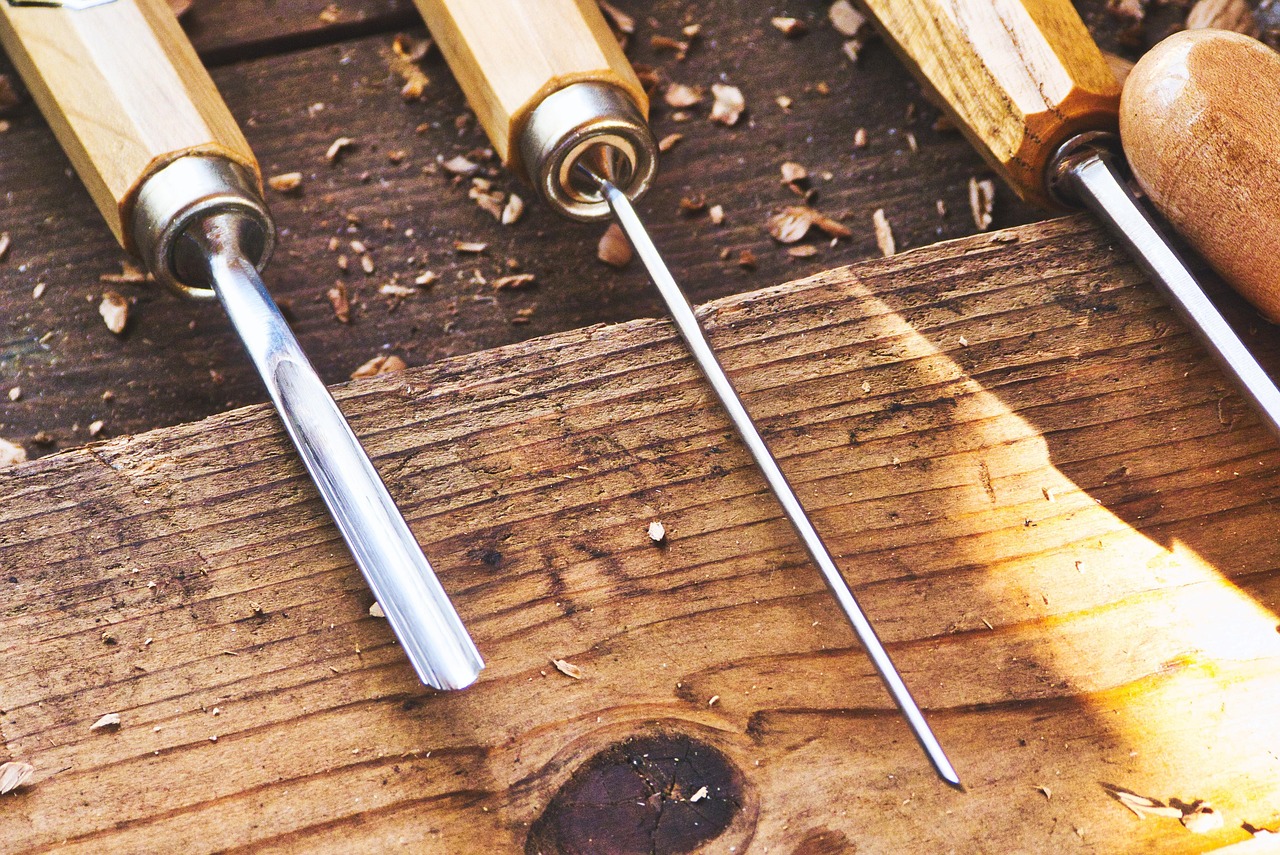
Starting woodworking can feel overwhelming. Walk into a hardware store and you will see rows of tools in every size and shape. It is easy to think you need all of them.
You do not.
Most beginner projects can be completed with a small group of basic tools. The goal at the start is not to build a professional workshop. The goal is to learn safe, accurate cutting and assembly.
This guide explains the core tools every beginner should understand before starting a first project.
Measuring and Marking Tools
Accurate measuring is the foundation of good woodworking. Many problems come from poor measurements rather than poor cutting.
Tape Measure
A tape measure is essential. Choose one that locks firmly and has clear markings. Most home projects use inches and fractions, so make sure you are comfortable reading them.
Measure twice before cutting. This habit saves time and material.
Combination Square
A combination square helps you mark straight lines and check 90-degree angles. It can also measure depth and small distances.
Keeping cuts square makes assembly easier and reduces gaps in joints.
Pencil or Marking Tool
Use a sharp pencil for marking cut lines. A fine line is easier to follow than a thick one.
Mark clearly, but lightly. Heavy marks can show through paint or stain later.
Cutting Tools
Cutting is the heart of woodworking. For beginners, simple and reliable tools work best.
Circular Saw
A circular saw is one of the most versatile power tools for beginners. It can cut plywood and boards to length. With a straight guide, it can make clean, straight cuts.
It is portable and usually more affordable than a table saw.
Handsaw
Even if you own power tools, a basic handsaw is useful. It works well for small cuts and quick adjustments.
Learning to cut straight by hand improves control and confidence.
Jigsaw
A jigsaw is useful for curved cuts and irregular shapes. It is helpful when building projects that require rounded edges or custom outlines.
For straight cuts, a circular saw is usually better. For curves, a jigsaw is the right choice.
Drilling and Fastening Tools
After cutting, pieces need to be joined together. Drilling and fastening tools make this possible.
Power Drill
A cordless drill is one of the most important tools in any beginner’s workshop.
It is used for:
- Drilling holes
- Driving screws
- Installing hardware
Choose a drill with adjustable speed settings and enough power for basic woodworking.
Drill Bits and Driver Bits
A drill is only as useful as the bits you use with it. Start with a basic set that includes:
- Standard drill bits for wood
- Phillips and flat-head driver bits
Using the correct bit size prevents splitting and stripped screws.
Clamps
Clamps hold pieces together while glue dries or while you drill screws.
Many beginners underestimate the importance of clamps. Even two or three medium-sized clamps can make a large difference in accuracy and safety.
Clamps act as extra hands. They keep boards from shifting during assembly.
Sanding Tools
Sanding prepares the surface for paint or stain. It also smooths rough edges.
Sandpaper
You do not need a large selection at first. Start with a few grits:
- Medium grit for smoothing rough surfaces
- Fine grit for finishing
Always sand with the grain of the wood to avoid visible scratches.
Orbital Sander
A random orbital sander saves time and effort. It produces smoother results than hand sanding alone.
While not required for very small projects, it becomes useful as project size increases.
Basic Safety Equipment
Safety is not optional in woodworking. Even simple tools can cause injury if used carelessly.
Safety Glasses
Wear safety glasses whenever cutting, drilling, or sanding. Small wood chips can travel quickly and cause eye injury.
Hearing Protection
Power tools can be loud. Repeated exposure to noise can damage hearing over time.
Simple ear protection is inexpensive and worth using.
Dust Mask
Sanding creates fine dust. Some wood species produce more dust than others. A dust mask helps protect your lungs.
Safety habits formed early tend to stay with you.
Optional But Helpful Tools
As you gain experience, you may consider adding:
Table Saw
A table saw allows for precise rip cuts and repeatable accuracy. It is a larger investment and requires proper setup and safety awareness.
Miter Saw
A miter saw makes clean crosscuts and angled cuts. It is especially useful for frames and trim work.
Router
A router shapes edges and creates decorative profiles. It is not necessary for first projects, but it expands design possibilities later.
These tools are useful, but not required to begin.
Start With What You Need
It is tempting to buy many tools at once. A better approach is to purchase tools as your projects require them.
If you are building a simple shelf, focus on:
- Measuring tools
- A saw
- A drill
- Clamps
- Sandpaper
Build the project. Learn from it. Then decide what tool would have made the process easier.
This method prevents wasted money and builds experience gradually.
Quality Matters, But Perfection Is Not Required
You do not need the most expensive tools to start woodworking.
Choose tools that feel solid and operate smoothly. Avoid extremely low-cost options that may lack accuracy or durability.
As your skill improves, you may upgrade tools over time.
Good technique often matters more than brand name.
Slowly but Surely
Woodworking begins with a small set of reliable tools and a willingness to learn.
Focus first on:
- Accurate measuring
- Straight cuts
- Secure fastening
- Safe habits
You can build many beginner projects with just a circular saw, drill, clamps, and measuring tools.
As your confidence grows, your tool collection can grow with it.
Start simple. Build carefully. Improve with each project.
The right tools make woodworking easier. Practice makes it better.