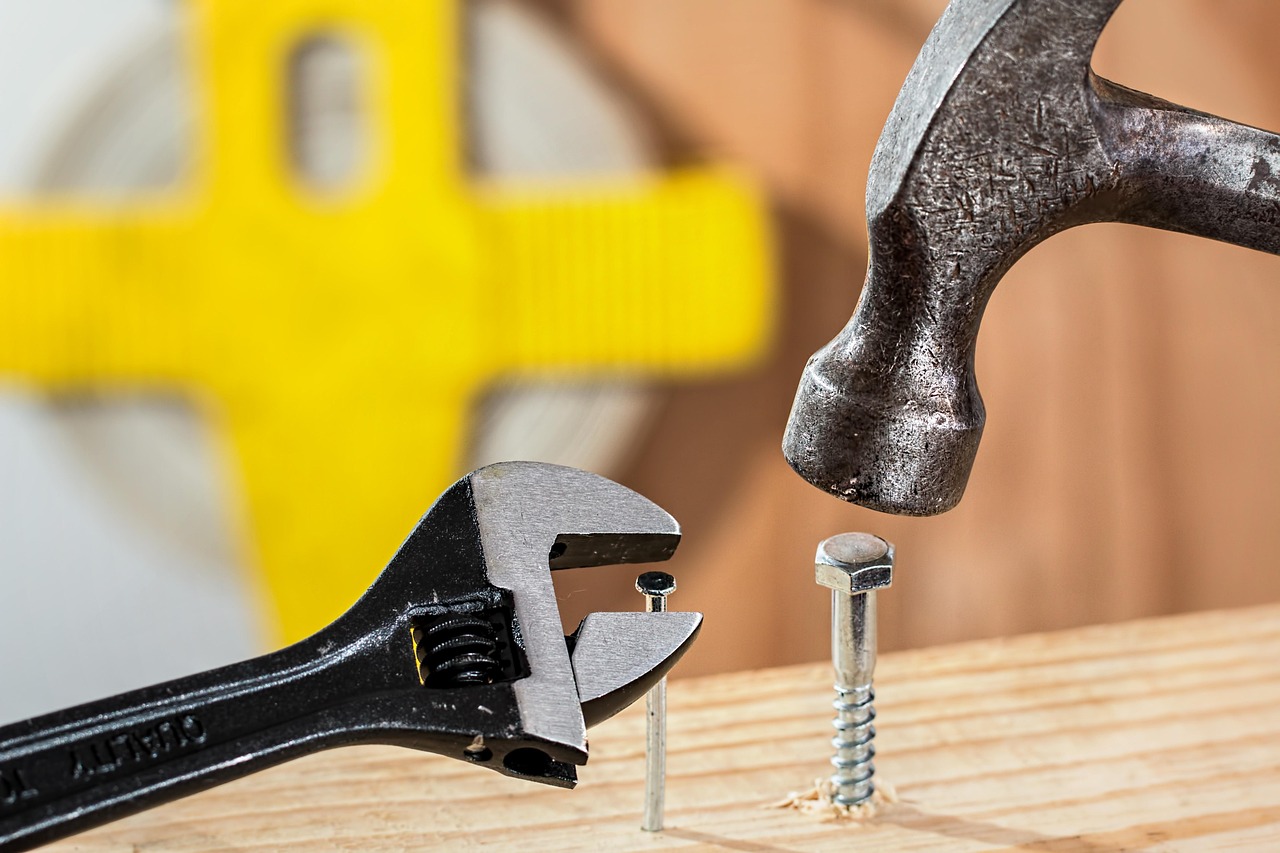
Every woodworker makes mistakes at the beginning.
That is normal.
Woodworking combines measuring, cutting, fastening, and finishing. Each step requires attention. Small errors can lead to uneven joints, gaps, or weak assemblies.
The good news is that most beginner mistakes are easy to avoid once you know what to watch for.
This guide explains common first-time woodworking mistakes and how to prevent them.
1. Not Measuring Carefully
One of the most common mistakes is poor measuring.
Beginners often:
- Measure once and cut immediately
- Misread the tape measure
- Forget to account for board thickness
Wood does not grow back after you cut it.
Always measure twice before cutting. Check that you are reading the correct mark on the tape. Make sure you are measuring from the correct edge.
If a project depends on several pieces being the same length, measure them carefully and compare them before assembly.
Accuracy at the start prevents frustration later.
2. Ignoring Wood Movement
Wood expands and contracts with changes in humidity.
Many beginners treat wood like metal or plastic. It is not the same.
Wide boards can move slightly over time. If pieces are fastened too tightly in certain ways, this movement can cause cracks or warping.
While small beginner projects may not be heavily affected, it is helpful to understand that wood is a natural material.
Allow room for movement when attaching wide panels. Avoid trapping boards so tightly that they cannot shift slightly.
3. Using the Wrong Screws or Fasteners
Not all screws are the same.
Using drywall screws for furniture projects is a common mistake. Drywall screws are brittle and can snap under pressure.
Choose screws designed for wood. Use the correct length so they hold firmly without piercing through the other side.
Pre-drill pilot holes when needed. This reduces splitting, especially near board edges.
The right fastener improves strength and safety.
4. Skipping Clamps
Clamps are often underestimated.
Beginners sometimes try to hold pieces in place with one hand while driving screws with the other. This can cause boards to shift out of alignment.
Clamps hold parts firmly while glue dries or screws are installed. Even two or three basic clamps can improve accuracy.
If boards move during fastening, joints may not sit flush.
Clamps act as extra hands. Use them.
5. Cutting Without a Clear Plan
Another common mistake is starting to cut wood before fully understanding the project.
Some beginners cut all pieces at once without reviewing the full plan. Others skip reading instructions carefully.
Before cutting, review:
- The materials list
- The cut list
- The assembly order
Make sure you understand which boards become which parts.
Taking ten extra minutes to review the plan can save hours of correction later.
6. Rushing Through Sanding
Sanding may not seem exciting, but it affects the final result.
Beginners often:
- Skip sanding steps
- Use only one grit
- Sand too quickly
Rough surfaces become more noticeable after stain or finish is applied.
Start with medium grit sandpaper if needed, then move to finer grit for a smooth surface. Always sand with the grain of the wood.
Taking time during sanding improves the overall appearance of the project.
7. Not Checking for Square
A square project looks professional. An out-of-square project can look uneven and unstable.
During assembly, check corners with a combination square.
If a frame is slightly out of square, adjust it before tightening screws fully. Small corrections early prevent visible problems later.
Check alignment often. Do not assume everything is straight.
8. Using Dull Tools
Dull blades and bits create rough cuts and increase the chance of mistakes.
A dull saw blade can tear the wood fibers. A dull drill bit may wander or burn the surface.
Sharp tools cut cleaner and safer.
If cuts feel difficult or uneven, inspect the blade. Keeping tools in good condition improves both results and safety.
9. Skipping Safety Steps
Safety mistakes are serious mistakes.
Common beginner safety errors include:
- Not wearing safety glasses
- Cutting without securing the board
- Ignoring proper tool setup
Even small projects require caution.
Wear eye protection when cutting or drilling. Secure boards before cutting. Follow tool instructions carefully.
Building safely ensures you can continue building in the future.
10. Expecting Perfection on the First Try
Many beginners expect their first project to look flawless.
Woodworking is a skill that improves with practice. Small gaps, uneven edges, or minor alignment issues are common at the start.
Instead of focusing on perfection, focus on learning.
Ask:
- Did I measure correctly?
- Did I follow the plan carefully?
- Did I improve compared to my last project?
Each build teaches something new.
Mistakes are part of the learning process.
11. Buying Too Many Tools at Once
It is easy to believe that more tools will solve problems.
In reality, mastering a few basic tools is more valuable than owning many unused ones.
Start with:
- Measuring tools
- A reliable saw
- A drill
- Clamps
- Sanding supplies
Add tools as your projects require them.
Skill develops through practice, not equipment alone.
Steady Improvement
Every first-time woodworker makes mistakes. The key is learning from them.
Most common errors can be avoided by:
- Measuring carefully
- Reading the full plan before cutting
- Using proper fasteners
- Checking for square
- Taking time with sanding
- Following safety practices
Woodworking rewards patience and preparation.
Build slowly. Check your work often. Accept small imperfections as part of progress.
With each project, your accuracy and confidence will improve.
The goal is not perfection on day one. The goal is steady improvement.